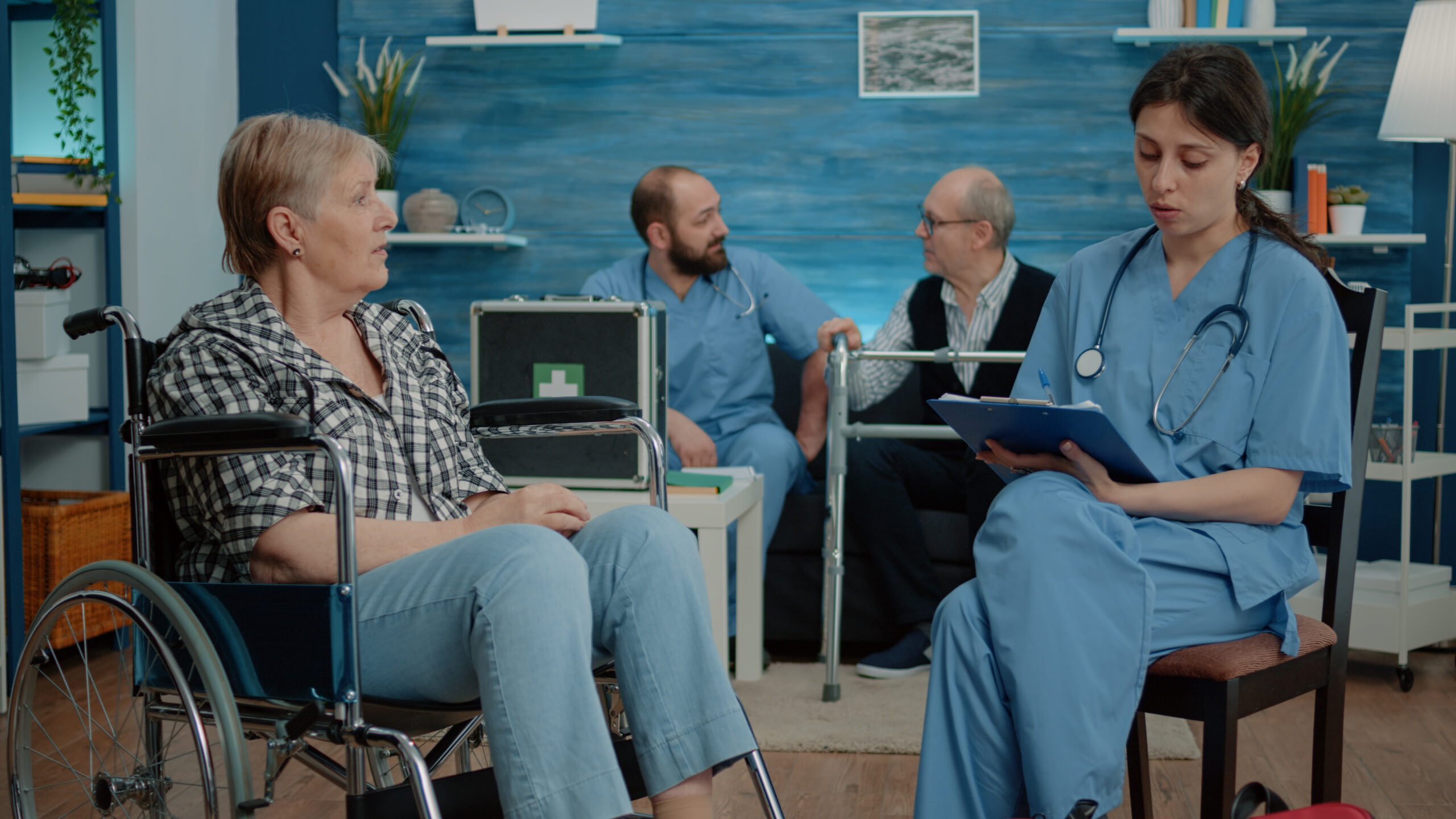
Healthcare is essential for every community, including people living in villages and remote areas. However, rural communities may face challenges such as limited access to hospitals, shortages of medical professionals, transportation difficulties, and a lack of awareness about preventive healthcare. A village health nurse plays an important role in helping address these challenges by providing basic healthcare services, health education, maternal and child health support, and connections to other medical facilities.
A village health nurse often serves as an important link between a local community and the wider healthcare system. Depending on the country and local healthcare programme, their duties may include supporting pregnant women, monitoring child health, promoting immunisation, educating families about hygiene, and helping people access appropriate medical care.
Understanding the role of a village health nurse can help students, job seekers, healthcare workers, and community members learn more about rural healthcare and its importance.
What Is a Village Health Nurse?
A village health nurse is a healthcare professional who provides or supports essential health services for people living in rural communities. The exact responsibilities depend on the healthcare system, the nurse’s qualifications, and the rules governing their role.
Village health nurses may work in primary health centres, community clinics, rural health facilities, or outreach programmes. Some may visit households to provide health education, identify people who need medical attention, and encourage families to use available healthcare services.
Their work focuses on improving access to healthcare, preventing illness, supporting early identification of health problems, and helping community members understand how to maintain their health.
In India, related community and rural healthcare roles may include staff nurses, Auxiliary Nurse Midwives (ANMs), Community Health Officers (CHOs), and Accredited Social Health Activists (ASHAs). These are distinct roles with different qualifications and responsibilities, so the title “village health nurse” should not automatically be treated as equivalent to any one of them.
Main Roles and Responsibilities of a Village Health Nurse
Village health nurses may perform a variety of duties depending on their workplace and professional scope.
1. Providing Basic Healthcare Services
One important responsibility is helping community members access basic healthcare. This may include initial assessments, monitoring selected health indicators, providing nursing care within their scope of practice, and directing patients to appropriate medical professionals.
They may help people understand when symptoms require medical attention and where to seek further treatment.
Village health nurses do not replace doctors or hospital specialists. Serious or complicated conditions require assessment and treatment by appropriately qualified professionals.
2. Maternal Healthcare Support
Maternal healthcare is an important part of rural community health. Village health nurses may help pregnant women connect with antenatal services, understand recommended checkups, and learn about nutrition and pregnancy-related warning signs.
Depending on their training and responsibilities, they may also support postnatal follow-up and encourage families to seek timely medical assistance.
Potential warning signs during pregnancy, such as heavy bleeding, severe abdominal pain, severe headache, or difficulty breathing, require urgent medical evaluation.
3. Child Health and Immunisation
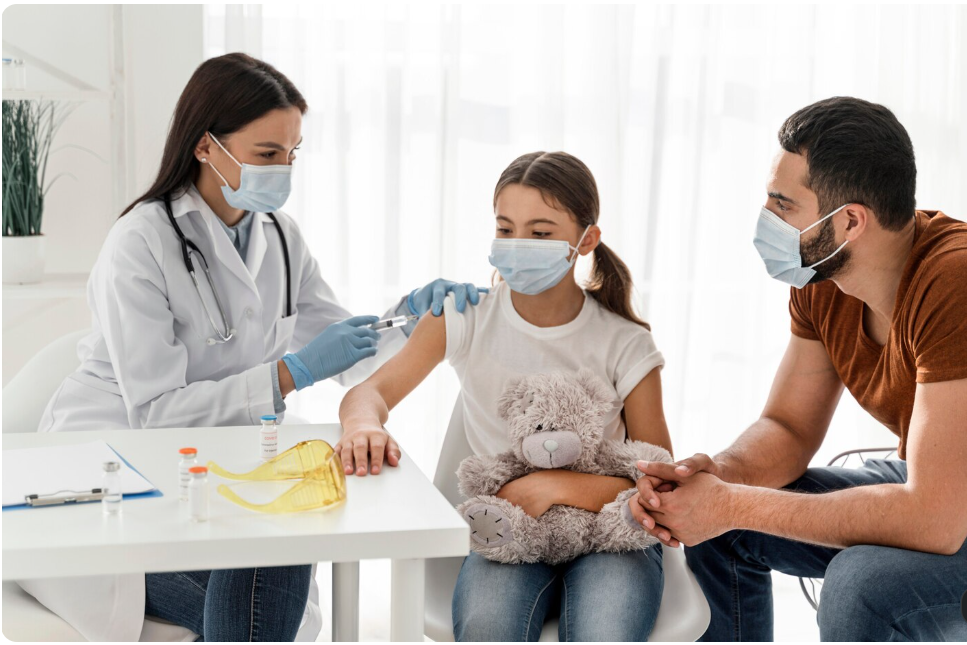
Children need appropriate nutrition, preventive healthcare, immunisation, and monitoring of growth and development.
Village health nurses may help families understand vaccination schedules, attend scheduled health sessions, and seek medical care when children become ill. They may also provide education about breastfeeding, complementary feeding, hygiene, and childhood illness prevention.
The specific services available depend on the local healthcare programme and the professional’s authorised duties.
4. Health Education and Awareness
Health education helps people make informed decisions about their health. Village health nurses may conduct individual counselling, group discussions, or community awareness sessions.
Common topics include:
- Personal hygiene and handwashing.
- Safe drinking water and sanitation.
- Balanced nutrition and food safety.
- Maternal and child healthcare.
- Immunisation and disease prevention.
- Healthy habits and physical activity.
- Recognising warning signs that require medical attention.
Clear, culturally appropriate communication can help community members understand health information and use available services more effectively.
5. Supporting Disease Prevention
Preventing illness is an important part of community healthcare. Depending on local programmes, village health nurses may support screening activities, identify people who need further assessment, encourage treatment adherence, or help coordinate responses to public health concerns.
They may also educate families about preventing communicable diseases and managing risk factors associated with long-term conditions.
Diagnosis and treatment must follow professional guidelines and the individual’s authorised scope of practice.
6. Maintaining Health Records
Accurate records help healthcare teams monitor patient needs and coordinate services. A village health nurse may document nursing assessments, vaccination information, maternal and child health visits, referrals, and other required information.
Records must be maintained according to applicable healthcare policies and privacy requirements.
Reliable documentation can help identify missed appointments, support follow-up care, and improve the continuity of healthcare services.
7. Referring Patients to Medical Facilities
Some health problems require investigations, specialist consultations, or hospital treatment that may not be available in a village clinic.
Village health nurses may help patients understand when a referral is necessary and where they should seek further care. Depending on the local system, they may also help coordinate follow-up after a patient returns home.
Prompt referral can be especially important for medical emergencies, high-risk pregnancies, severe childhood illness, and complications of chronic conditions.
Qualifications Required to Become a Village Health Nurse
The qualifications for a village health nurse vary by country, state, employer, and job designation. There is no single qualification requirement that applies to every position using this title.
In India, nursing-related roles generally require recognised nursing education and registration where applicable. Depending on the specific post, relevant pathways may include Auxiliary Nurse Midwife training, General Nursing and Midwifery (GNM), or a Bachelor of Science in Nursing (BSc Nursing).
However, applicants should not assume that every village health nurse vacancy accepts all these qualifications.
Common Requirements to Check
- Educational qualification: Confirm the exact nursing or healthcare qualification required in the recruitment notification.
- Professional registration: Check whether registration with the relevant State Nursing Council or other professional authority is mandatory.
- Age criteria: Review the minimum and maximum age limits stated by the employer.
- Work experience: Some posts may require previous clinical or community health experience.
- Language skills: Local-language communication may be important for working with rural families.
- Additional conditions: Government or institutional vacancies may include residency, document verification, or other eligibility requirements.
Candidates should always consult the official recruitment notification for the particular post instead of relying on general job descriptions.
Skills Needed for a Village Health Nurse
Technical knowledge is important, but successful community healthcare also requires strong communication and organisational skills.
| Skill | Why it is important |
|---|---|
| Communication | Helps explain health information clearly to patients and families |
| Empathy | Supports respectful and compassionate patient care |
| Clinical knowledge | Helps with appropriate nursing assessments and care within scope |
| Observation | Supports recognition of concerning symptoms and changes in condition |
| Record keeping | Helps maintain accurate patient information and follow-up |
| Teamwork | Supports coordination with doctors and other healthcare workers |
| Cultural awareness | Helps provide care that respects community practices and circumstances |
| Organisation | Helps manage appointments, outreach work, and community health activities |
These skills can be developed through recognised education, supervised practical experience, and continuing professional development.
Importance of Village Health Nurses in Rural Areas
Village health nurses can contribute to stronger healthcare systems by helping connect rural communities with essential services.
Improving Access to Healthcare
People living far from hospitals may find it difficult to attend appointments, especially when transport is expensive or unavailable. Community-based nursing and outreach services can help reduce some of these barriers.
Encouraging Preventive Care
Health education and appropriate screening can help people recognise risks and seek medical attention earlier. Prevention and early intervention can reduce avoidable complications.
Supporting Mothers and Children
Pregnant women, newborns, and young children often need regular monitoring and timely access to healthcare. Community health services can help families navigate available maternal and child health programmes.
Promoting Health Awareness
Trusted healthcare professionals can help explain vaccination, hygiene, nutrition, and disease prevention in language that community members understand.
Connecting Communities With the Healthcare System
Village health nurses may coordinate with primary health centres, doctors, public health teams, and other community workers. This cooperation can help patients obtain appropriate care and follow-up.
Challenges Faced by Village Health Nurses
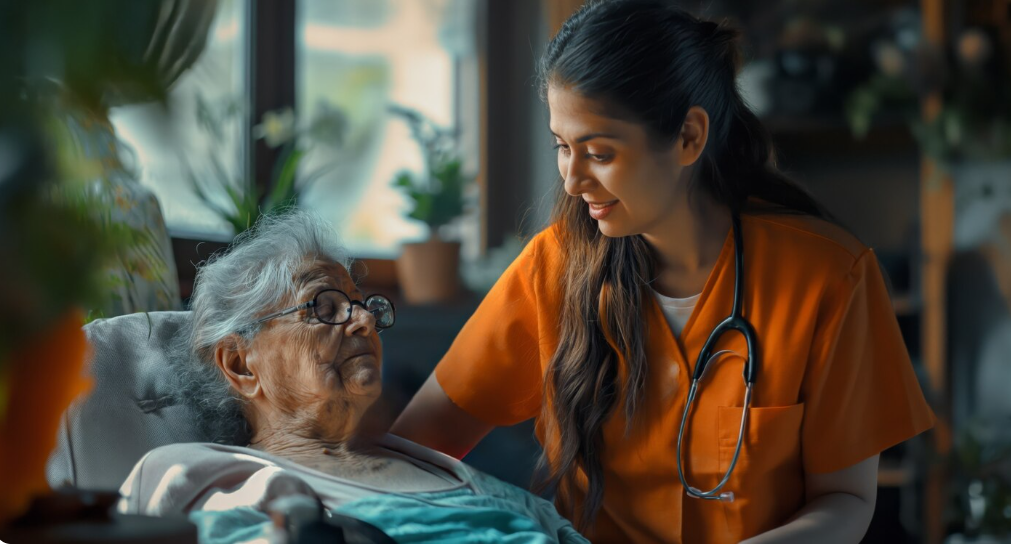
Although their work is important, village health nurses may face several practical challenges.
Limited Medical Resources
Some rural facilities may have shortages of equipment, medicines, diagnostic services, or staff. These limitations can make it harder to provide timely care.
Transportation Difficulties
Reaching remote households or helping patients access referral facilities may be challenging when roads and transport options are limited.
Heavy Workloads
Healthcare workers may need to manage clinical duties, records, health education, and outreach activities. Adequate staffing and organisational support are important for maintaining care quality.
Health Misinformation
Misunderstandings about vaccination, medical treatment, or disease prevention can affect healthcare decisions. Clear explanations and respectful communication can help address concerns.
Need for Ongoing Training
Medical guidance and public health priorities change over time. Regular training helps healthcare professionals maintain their knowledge and skills.
Addressing these challenges requires support from healthcare authorities, employers, communities, and public health programmes.
Village Health Nurse vs Other Community Healthcare Roles
Different community healthcare workers perform different functions. Their responsibilities depend on the local healthcare system and applicable regulations.
| Role | General focus |
|---|---|
| Village health nurse | Nursing and community health services, depending on the post |
| Auxiliary Nurse Midwife (ANM) | Maternal and child health, immunisation, and other authorised primary healthcare duties |
| Accredited Social Health Activist (ASHA) | Community mobilisation, health awareness, and linking families with health services |
| Community Health Officer (CHO) | Defined primary healthcare responsibilities, depending on the programme and qualifications |
| Staff nurse | Nursing care in a hospital, clinic, or other healthcare facility |
These roles may work together, but their qualifications, authority, and duties are not interchangeable.
Career Opportunities and Job Prospects
People interested in becoming a village health nurse may explore vacancies advertised by government health departments, public health programmes, hospitals, community clinics, and eligible healthcare organisations.
Job titles and recruitment routes vary. Some employers may advertise posts under specific nursing or public health designations rather than the exact title “village health nurse.”
How to Find Relevant Vacancies
- Identify the state, district, or healthcare organisation where you want to work.
- Check official government health department and recruitment websites.
- Read the job notification carefully to confirm the post title and duties.
- Verify educational qualifications, registration requirements, age limits, and selection procedures.
- Prepare the required certificates, identification documents, and professional registration details.
- Follow only the application method stated in the official notification.
Salary, employment status, benefits, and promotion opportunities depend on the employer, role, location, and applicable recruitment rules. Candidates should verify these details from the current official vacancy notice.
Frequently Asked Questions (FAQs)
1. What is the main work of a village health nurse?
A village health nurse may provide nursing care, support maternal and child health services, promote disease prevention, educate families, maintain health records, and help patients access further treatment. Duties vary according to the specific position and local healthcare system.
2. What qualification is required to become a village health nurse in India?
Requirements depend on the exact post. Some nursing-related positions require recognised ANM, GNM, or BSc Nursing qualifications and applicable professional registration. Always check the official recruitment notification for the position you want.
3. Is a village health nurse the same as an ASHA worker?
No. A village health nurse and an ASHA worker are different roles. ASHA workers generally focus on community mobilisation, health awareness, and connecting families with services, while nursing posts have different training and responsibilities.
4. Where can I find village health nurse jobs?
Check official state health department websites, government recruitment portals, public health programme notices, and relevant healthcare employers. Verify the post title, eligibility criteria, application deadline, and recruitment process before applying.
5. Why are village health nurses important?
They can improve access to essential healthcare, support preventive services, promote maternal and child health, provide health education, and connect rural residents with appropriate medical facilities.
| Read more: HDFC ERGO Health Insurance Plans: Benefits, |