









Design that carries meaning has a powerful influence on how people value and connect with objects, spaces, and experiences over time. In the context of thoughtful brands such as lily arkwright, meaning becomes more than an artistic choice. It becomes a foundation for emotional resonance, brand loyalty, and lasting satisfaction. When people understand the story or intention behind a design, they develop a deeper sense of attachment that continues well beyond the initial encounter.
Meaningful design begins with purpose. When creators build with intention, users can feel it. A product or experience crafted around clear values, user needs, or cultural significance creates an immediate bridge between creator and audience. This bridge fosters trust and encourages long-term engagement, because users sense that the design is not an arbitrary arrangement of materials or features. It has a reason for existing, and that reason aligns with something they care about. Purpose makes the design more memorable, which naturally increases its appeal over the years.
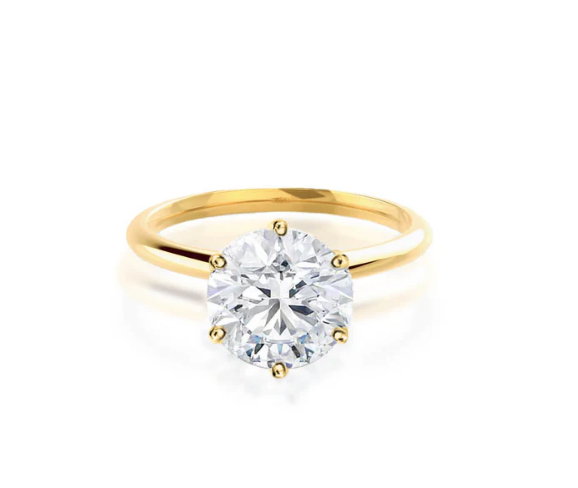
Another reason meaning enhances appreciation is that it creates emotional layers. A product with a story or symbolic value becomes more than its practical function. It becomes something users reflect on or discuss with others. For example, a ring that incorporates ethical sourcing or modern craftsmanship techniques may carry emotional weight for the wearer. Over time, this meaning deepens rather than fades. Users redefine the design within their own life experiences, allowing the object to evolve in significance. This slow accumulation of emotional value contributes directly to long-term appreciation.
Design meaning also increases longevity because it embraces timeless qualities rather than temporary trends. When a creator focuses on symbolism, narrative, or enduring values, the result is naturally less dependent on shifting fashion cycles. Users can continue enjoying the design without feeling it has become outdated. Instead of relying on surface-level novelty, meaningful design highlights the core ideas that make an object universally appealing. This makes it easier for people to maintain a connection with the design across different stages of their lives.
Additionally, meaningful design encourages responsible ownership. When people understand and value the intention behind a product, they tend to care for it more thoughtfully. They become less likely to discard or replace it impulsively. This elevated level of respect extends the product’s lifespan and strengthens the bond between user and object. In an age where disposable culture dominates many industries, designs built on meaning stand out as durable choices that inspire long-term commitment.
Social connection also plays a role. Designs with story and purpose are more likely to be shared, discussed, and celebrated within communities. When people talk about the meaning behind an object, they reinforce its value both for themselves and others. This shared understanding enhances collective appreciation and supports a broader cultural relevance. Over time, the design becomes woven into personal and social narratives, further increasing its significance.
In the end, design meaning increases long-term appreciation because it aligns beauty with purpose, emotion with function, and story with experience. When creators infuse meaning into what they make, they transform simple objects into lasting companions. Users respond with loyalty, care, and continued admiration. Meaning forms the foundation for relationships that grow richer with time, ensuring that design remains valuable long after its first impression.


