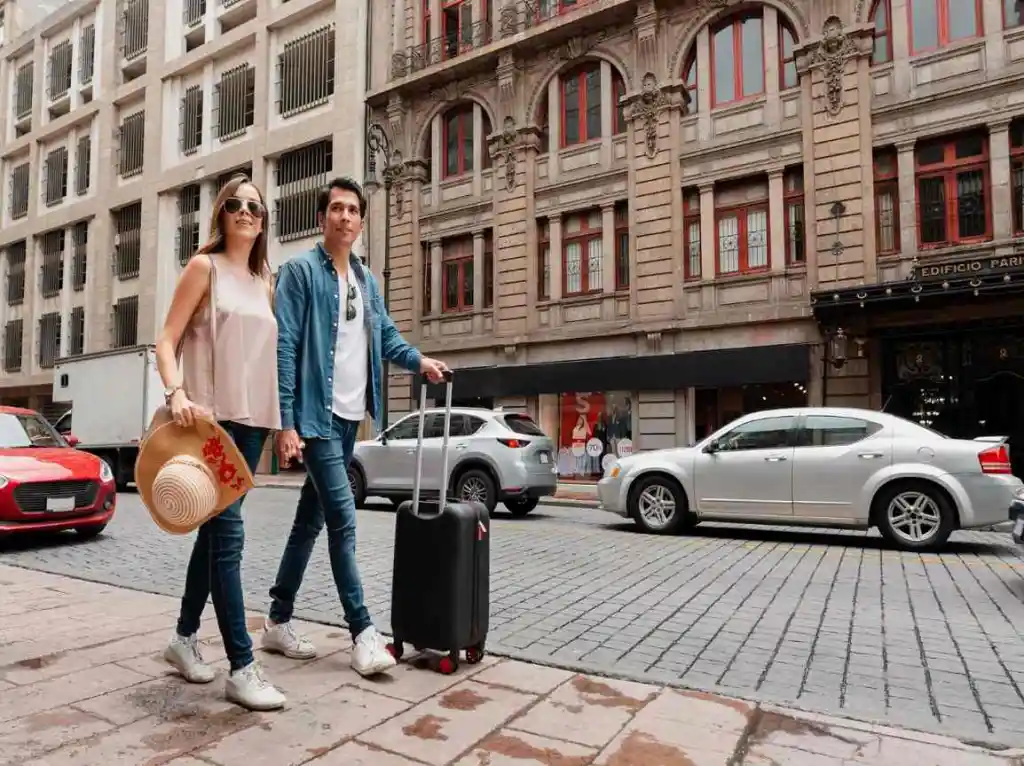
Traveling through expensive cities in the USA can seem difficult when you are working with a limited budget. Cities such as New York, San Francisco, Los Angeles, Miami, Boston, Seattle, and Honolulu are known for higher accommodation, transportation, dining, and entertainment costs. However, expensive destinations do not have to be out of reach for budget-conscious travelers.
With careful planning, flexible dates, affordable accommodation, smart transportation choices, and free or low-cost activities, you can enjoy major American cities without spending excessively. The key is to focus on where your money goes and identify opportunities to reduce unnecessary expenses.
These budget travel tips for expensive cities in the USA can help travelers plan affordable trips while still experiencing local attractions, neighborhoods, food, culture, and entertainment.
Plan Your Trip Around Your Budget
One of the most effective ways to save money is to create a realistic travel budget before booking anything. Expensive cities can quickly become costly when small daily purchases add up.
Start by estimating the major categories of your trip, including transportation, accommodation, food, attractions, shopping, and miscellaneous expenses.
Set a Daily Spending Limit
Instead of creating only a total trip budget, establish a daily spending limit. This makes it easier to understand how much you can spend on meals, transportation, activities, and other purchases each day.
For example, you might allocate separate amounts for accommodation, food, transportation, and entertainment. Keeping these categories separate can help prevent one expensive activity from affecting the rest of your trip.
Create an Emergency Budget
Unexpected expenses can occur during any trip. Set aside a small amount for emergencies such as transportation changes, unexpected meals, replacement items, or additional accommodation costs.
Having a backup amount can prevent an unexpected expense from disrupting your entire travel budget.
Travel During the Off-Season
Timing can make a major difference when visiting expensive American cities. Hotel rates and airfare can rise significantly during major holidays, festivals, events, and peak travel periods.
Choose Shoulder Seasons
Shoulder seasons are periods between the busiest and quietest travel periods. Depending on the destination, these periods can offer a useful combination of reasonable prices and comfortable weather.
Traveling during less crowded periods may also make popular attractions easier to visit.
Avoid Major Events
Large conventions, sporting events, concerts, festivals, and holiday celebrations can increase demand for hotel rooms and transportation.
Before booking your trip, check whether a major event is taking place in the city. Moving your travel dates by even a few days can sometimes make a significant difference to your overall expenses.
Save Money on Accommodation
Accommodation is often one of the largest expenses in expensive cities. Finding a suitable place to stay can therefore have a major impact on your total budget.
Compare Different Neighborhoods
Do not limit your search to the most famous or central neighborhood. Areas outside the main tourist district may offer more affordable accommodation.
However, consider transportation costs before choosing a cheaper location. A low-cost hotel that requires expensive daily transportation may not actually save much money.
Consider Hostels and Budget Hotels
Hostels can be useful for solo travelers and people who do not mind shared facilities. Budget hotels can also provide basic accommodation without the additional costs associated with luxury properties.
Look beyond the room price and check whether the accommodation charges extra fees for parking, Wi-Fi, resort services, breakfast, or other amenities.
Stay With Friends or Family
If you have friends or relatives in the destination city, staying with them can significantly reduce accommodation costs. It can also provide a more local perspective on the destination.
Use Public Transportation
Transportation can become surprisingly expensive in major American cities, particularly when travelers rely heavily on taxis or rideshare services.
Use Trains and Buses
Cities such as New York, Boston, Chicago, San Francisco, and Washington, D.C. have extensive public transportation networks. Using buses, subway systems, trains, or light rail can reduce transportation expenses.
Before traveling, research the city’s transit passes and fare options. A multi-day pass may be useful if you expect to use public transportation frequently.
Walk When Practical
Walking is one of the simplest ways to save money while exploring a city. Many major destinations have neighborhoods where restaurants, attractions, shops, parks, and cultural sites are relatively close together.
Walking also allows you to discover local streets and neighborhoods that you might miss when traveling by car.
Avoid Unnecessary Rental Cars
Rental cars can be expensive in major cities because of daily rental rates, fuel, parking, insurance, and additional fees.
If you are staying in a city with reliable public transportation, consider whether you actually need a car. Renting a vehicle only for a specific day or excursion may be more economical than keeping one throughout the entire trip.
Eat Well Without Overspending
Food can quickly consume a travel budget, especially when visiting expensive destinations. Fortunately, you do not have to eat at expensive restaurants for every meal.
Eat Like a Local
Look for local cafés, food markets, casual restaurants, bakeries, and neighborhood eateries. These places can often provide a more affordable way to experience the local food scene.
Instead of choosing restaurants only in major tourist areas, explore nearby neighborhoods where residents regularly eat.
Prepare Some Meals Yourself
If your accommodation includes a kitchen, kitchenette, or refrigerator, consider preparing some meals yourself.
Even making breakfast or packing lunch can reduce daily food expenses. Grocery stores can also provide inexpensive snacks and drinks for sightseeing days.
Take Advantage of Lunch Specials
Some restaurants offer lower-priced lunch menus than dinner menus. Eating your main restaurant meal at lunchtime can allow you to experience popular restaurants while keeping costs under control.
Focus on Free Attractions
Expensive cities often have numerous free attractions that can make a trip enjoyable without requiring a large entertainment budget.
Visit Public Parks
Large urban parks can provide hours of free entertainment. Visitors can walk, relax, take photographs, have a picnic, or simply enjoy the atmosphere.
Many cities have iconic parks and waterfront areas that are free to explore.
Explore Neighborhoods
Walking through different neighborhoods can be one of the best ways to experience a city without spending much money.
Historic streets, architecture, public art, markets, cultural districts, and local shops can provide memorable experiences without requiring admission fees.
Look for Free Museums and Cultural Events
Some museums offer free admission on certain days or during specific hours. Libraries, cultural centers, galleries, and public institutions may also host free exhibitions, performances, or educational programs.
Research free activities before your trip and organize your itinerary around them.
Use Attraction Passes Carefully
Tourist passes can provide savings, but they are not automatically a good deal for every traveler.
Calculate the Actual Value
Before purchasing a city pass, make a list of the attractions you genuinely want to visit. Add their individual admission prices and compare the total with the cost of the pass.
A pass can be useful if you plan to visit several included attractions within a short period. If you prefer a relaxed itinerary with mostly free activities, paying individually may be more practical.
Avoid Paying for Attractions You Won’t Visit
A common mistake is buying a pass because it appears to offer a large number of attractions, even though you have no intention of visiting most of them.
Choose activities based on your interests rather than trying to maximize the number of attractions included in a pass.
Find Affordable Things to Do at Night
Evening entertainment can become expensive in major cities, particularly when nightlife involves restaurants, clubs, concerts, or ticketed events.
Enjoy Free City Views
Many cities have public viewpoints, waterfront areas, bridges, parks, and observation areas where you can enjoy impressive views without paying an admission fee.
An evening walk through a lively neighborhood can also be a memorable experience.
Look for Free Events
Check local event calendars for free concerts, outdoor movies, community events, public performances, and seasonal activities.
Universities, libraries, cultural organizations, and public spaces may offer inexpensive or free events throughout the year.
Book Flights Strategically
Airfare can represent a significant portion of a travel budget, especially when visiting destinations far from home.
Compare Multiple Travel Dates
If your schedule is flexible, compare flights on several dates rather than selecting the first available option.
Midweek travel can sometimes offer different pricing from peak weekend travel, although fares vary by destination and season.
Consider Nearby Airports
Some large cities have multiple airports or nearby regional airports. Comparing the total cost of flying into different airports can help identify potential savings.
Remember to include transportation from the airport to your accommodation when comparing options.
Avoid Tourist Traps
Tourist-focused areas often contain restaurants, shops, tours, and activities designed specifically for visitors. While these experiences can be enjoyable, they may come with higher prices.
Research Prices Before You Go
Check menus, admission fees, transportation costs, and other prices before committing to an activity.
This makes it easier to identify expensive experiences and decide where your money is worth spending.
Shop Away From Major Attractions
Souvenirs and everyday products may cost more in heavily visited tourist districts. If you want to shop, compare prices in local neighborhoods and regular retail areas.
Take Advantage of Free Walking Tours
Walking tours can be an affordable way to learn about a city’s history, architecture, and culture.
Some tours operate on a tip-based model, while others have a fixed price. Check the terms before joining and budget for an appropriate tip if the tour is advertised as tip-based.
Walking tours can also help you become familiar with a neighborhood before exploring it independently.
Travel With a Small Group
Traveling with friends can help reduce certain costs because some expenses can be shared.
Share Accommodation
A group can divide the cost of a larger room, apartment, or vacation rental when the accommodation allows the appropriate number of guests.
Share Transportation
When public transportation is unavailable or impractical, splitting the cost of a rideshare or taxi among several travelers can sometimes be more economical than paying individually.
Always make sure the vehicle and accommodation meet the provider’s occupancy and safety requirements.
Pack Smart to Avoid Extra Costs
Small purchases can add up during a trip. Packing carefully can help reduce unnecessary spending.
Bring essentials such as a reusable water bottle, comfortable walking shoes, weather-appropriate clothing, medications you regularly use, and basic personal items.
If you plan to walk extensively, comfortable footwear can also help you avoid relying on taxis or rideshares simply because your feet are tired.
Use a Flexible Travel Itinerary
A completely packed itinerary can encourage unnecessary spending. When travelers feel they need to fill every hour, they may purchase additional tours, meals, transportation, or attractions.
Leave Room for Free Activities
A flexible schedule allows you to explore neighborhoods, parks, public spaces, markets, and local streets without worrying about fitting another paid attraction into your day.
Prioritize Your Must-See Attractions
Choose a few experiences that are genuinely important to you. Then fill the remaining time with affordable or free activities.
This approach can make your trip feel less rushed while helping you stay within your budget.
Budget Travel Tips for Popular Expensive Cities
Different cities require different strategies because transportation, accommodation, attractions, and food prices vary.
New York City
New York offers extensive public transportation, numerous parks, free public spaces, and many neighborhoods that can be explored on foot. Staying outside the most expensive tourist areas and using the subway can help reduce daily expenses.
San Francisco
San Francisco can be explored using public transportation and walking in many areas. Visitors can also enjoy waterfront areas, neighborhoods, parks, and scenic locations without paying admission.
Los Angeles
Los Angeles is more spread out than many other major American cities, making transportation planning particularly important. Comparing rental car costs with public transportation and rideshare expenses can help determine the most economical option.
Miami
Miami offers beaches and outdoor activities that can provide low-cost entertainment. Choosing accommodation carefully and using public transportation where practical can help manage expenses.
Boston
Boston’s compact central areas make walking a useful way to explore the city. Public transportation can also help travelers reach destinations outside the central area without relying on taxis.
Honolulu
Honolulu can be expensive because of accommodation and travel costs, but visitors can focus on beaches, hiking, scenic areas, and other outdoor experiences to reduce entertainment expenses.
Track Your Spending During the Trip
Creating a budget is only useful if you monitor it.
Use a simple note on your phone or a budgeting app to record daily expenses. Keep track of food, transportation, attractions, shopping, and miscellaneous purchases.
Review Your Budget Each Evening
Spend a few minutes at the end of each day reviewing what you spent. If you went over budget, look for ways to reduce expenses the following day.
For example, you might prepare breakfast, use public transportation, or choose a free attraction instead of a paid activity.
Frequently Asked Questions About Budget Travel in Expensive US Cities
What is the best way to save money when visiting an expensive US city?
Accommodation, transportation, and food are usually important areas to manage. Comparing neighborhoods, using public transportation, eating at local restaurants, and choosing free activities can help reduce overall expenses.
Is it cheaper to stay outside the city center?
It can be, but not always. Compare the accommodation price with the additional transportation costs and travel time before making a decision.
How can I visit expensive cities without spending much on attractions?
Focus on free parks, public spaces, neighborhoods, walking routes, outdoor areas, free events, and museums with free admission periods.
Should I rent a car in a major US city?
It depends on the destination and your itinerary. If the city has good public transportation and expensive parking, avoiding a rental car may reduce costs. For spread-out destinations, a rental car may be more practical.
How can I save money on food while traveling?
Consider local cafés, food markets, casual restaurants, grocery stores, packed lunches, and accommodations with kitchen facilities. Lunch specials can also provide an affordable restaurant experience.
Final Thoughts
Traveling to expensive cities in the USA does not necessarily require an expensive vacation. With thoughtful planning, travelers can reduce accommodation, transportation, food, and entertainment costs while still enjoying the character of each destination.
The most effective budget travel tips for expensive cities in the USA include traveling during less expensive periods, comparing accommodation locations, using public transportation, walking when practical, choosing affordable local food, taking advantage of free attractions, and tracking daily spending.
Instead of trying to experience everything, focus on the places and activities that matter most to you. A well-planned budget trip can provide an enjoyable and memorable experience while keeping unnecessary expenses under control.